

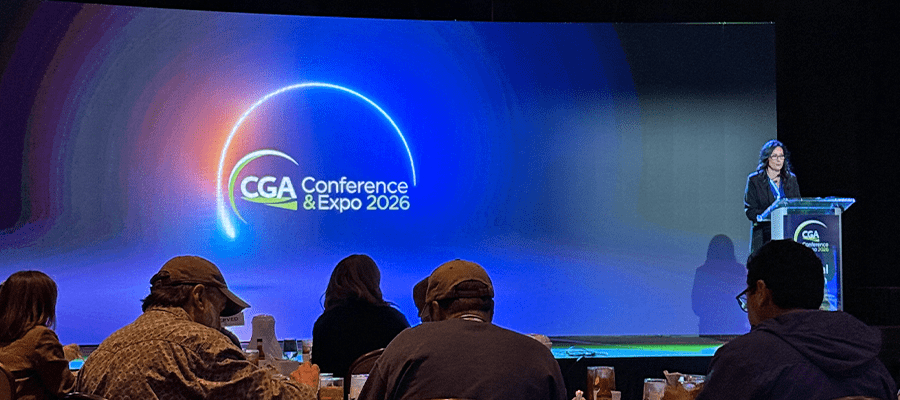
The 2026 Common Ground Alliance (CGA) Conference & Expo reflected an industry in transition, not from uncertainty, but from acceleration. Conversations have moved beyond identifying challenges or exploring possibilities. Instead, this year’s education sessions centered on execution: applying technology, operationalizing data, and strengthening the human systems that make damage prevention work.
Across sessions, workshops, and keynotes, one theme consistently emerged: Progress is no longer measured by adoption alone, but by integration, accountability, and results.
Technology Is Delivering Real-World Results
For years, emerging technologies like artificial intelligence, advanced geospatial tools, and ground penetrating radar have generated excitement across the industry. In 2026, the tone shifted. These tools are no longer viewed as future-state innovations; they are actively shaping field operations today.
Education sessions highlighted how AI-powered platforms are improving locate accuracy, streamlining ticket management, and enabling more effective communication between stakeholders. At the same time, advancements in subsurface imaging and mobile training environments are helping teams build technical confidence in real-world scenarios.
Technology has reached a point where it’s no longer a question of if it should be used, but how to use it well — how to put it to work in the field, scale it in a smart way, and integrate it into everyday operations.
Data Is Driving Accountability, Not Just Awareness
Data has long played a role in damage prevention, but its purpose is evolving. This year’s CGA Conference & Expo placed strong emphasis on turning information into action, moving beyond reporting to performance.
Discussions around the DIRT Report, enhanced reporting tools, and the Damage Prevention Institute (DPI) demonstrated how organizations are using data to benchmark progress, identify risk patterns, and guide strategic decision-making. This shift shows that across the industry, data is expected to do more than just inform decisions. It also needs to hold stakeholders accountable.
As a result, utilities, contractors, and service partners are increasingly aligning around measurable outcomes, using shared data to drive continuous improvement and elevate industry standards.
Workforce Development Is Becoming a Strategic Priority
While technology and data continue to advance, the industry recognizes that progress ultimately depends on people. Workforce development discussions at CGA 2026 expanded beyond training programs to focus on long-term capability building.
Hands-on learning opportunities reinforced the importance of technical skill development, particularly for locators operating in increasingly complex environments. At the same time, sessions on leadership and organizational readiness addressed a different challenge — how to prepare teams to adapt, lead, and perform in a rapidly changing landscape.
This shift is about more than just the work itself. It is also about how employees think through challenges, respond in the moment, and continue to grow.
Leadership and Culture Are Critical to Sustained Progress
One of the most notable shifts in this year’s conference was the prominence of leadership and culture as core components of damage prevention.
Sessions explored change management, decision-making under pressure, and the role of leadership in shaping safety outcomes. Interactive experiences reinforced the idea that even the most advanced tools and processes rely on human judgment, communication, and accountability.
This idea showed up again and again throughout the week. Innovation matters, but it is not enough on its own. Progress also depends on alignment. Organizations that invest in their culture, empower their teams, and lead through change are better positioned to turn strategy into results.
Collaboration Remains the Industry’s Foundation
Collaboration has always been a core part of CGA, but it stood out even more this year as the industry becomes increasingly interconnected.
Workshops and discussions brought together utilities, locators, regulators, and contractors to share perspectives and align best practices. The emphasis on partnership extended beyond compliance, highlighting the need for proactive communication, shared responsibility, and coordinated action.
As infrastructure systems become more complex and demands on the industry continue to grow, collaboration is no longer a differentiator; it’s a necessity.
Regulatory Expectations Are Raising the Bar
With increased visibility into infrastructure safety, regulatory oversight continues to shape industry priorities. Sessions featuring regulatory perspectives underscored the importance of compliance, transparency, and documented performance.
Organizations are being challenged to demonstrate not only that processes are in place, but that they are effective. This shift reinforces the role of data, governance, and leadership in meeting — and exceeding — regulatory expectations.
Public Awareness Is Becoming More Targeted and Measurable
Public awareness campaigns have long been a pillar of damage prevention, but their approach is evolving. Education sessions highlighted more strategic, data-informed outreach efforts designed to reach specific audiences and drive measurable engagement.
From digital campaigns to modern communication channels, organizations are refining how they promote safe digging practices. The goal is not just broader awareness, but more meaningful impact to ensure the right messages reach the right people at the right time.
A More Connected Future for Damage Prevention
Taken together, the themes from CGA 2026 point toward a more integrated future. Technology, data, workforce development, and collaboration are no longer separate focus areas — they are interconnected components of a larger system.
The industry is moving toward a model where information flows more freely, decisions are made in real time, and stakeholders operate with greater visibility and alignment. This shift is laying the foundation for smarter infrastructure and more proactive damage prevention strategies.
Looking Ahead
If recent years have been about exploration and innovation, 2026 marks a turning point toward execution and impact.
The conversations at this year’s CGA Conference & Expo make one thing clear: the tools, insights, and frameworks are in place. The opportunity now lies in how effectively the industry brings them together to transform potential into performance and progress into lasting results.
Bermex helps utilities turn damage prevention strategies into measurable results through proven field services, advanced technology, and highly trained teams. Discover how Bermex can help utilities turn strategy into measurable impact.